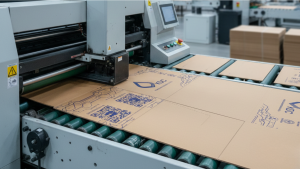
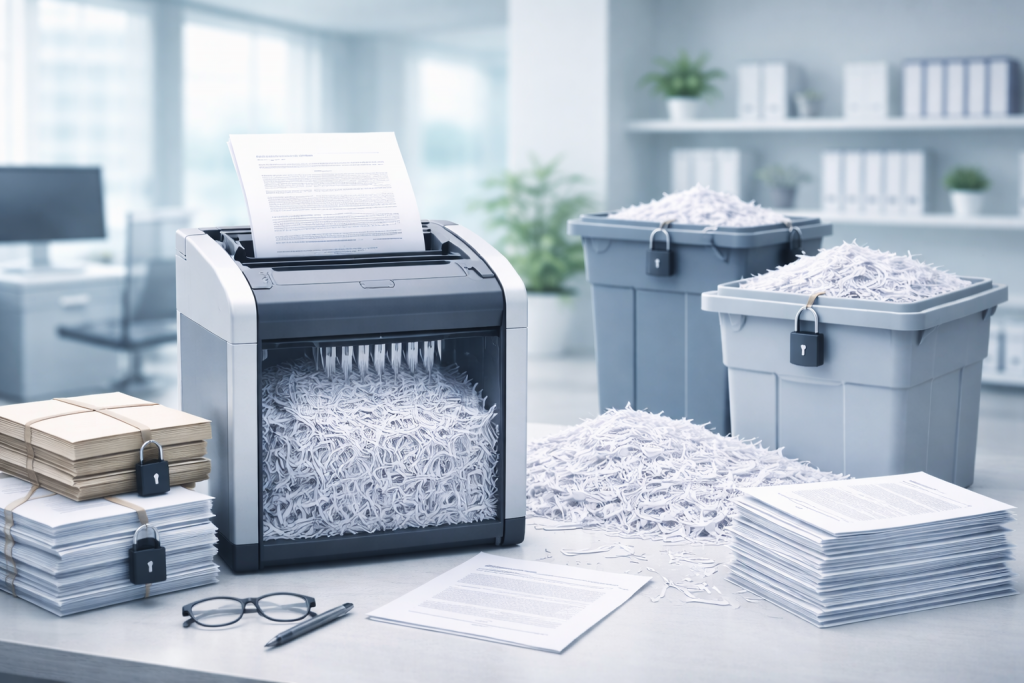
Many organizational records have a defined retention period based on internal policies and applicable requirements. Once those records expire, keeping them longer can increase the risk of data leakage and add unnecessary storage costs. A document destruction service helps organizations destroy records in a structured, secure, and auditable way.
A Document Destruction Service is a professional service that destroys paper records and/or information media according to defined procedures, with a strong focus on confidentiality—from collection and transport to destruction and the issuance of official proof of destruction for future verification.
Why Organizations Use Professional Document Destruction Services
1) Reduces the risk of data leakage
Many documents contain sensitive information—customer data, contracts, and HR records. If destroyed improperly, information may still be recoverable and misused. Using a specialized provider reduces this risk significantly.
2) Ensures a structured, auditable process
Professional services typically provide controlled procedures and documentation such as handover inventories (inventory/box lists), transport logs, and formal destruction records that support internal and external audits.
3) Reduces internal workload and cost
Destroying large volumes in-house requires time, labor, and equipment. Outsourcing allows teams to focus on core operations while maintaining proper compliance and control.

Common Document Types Typically Sent for Destruction
- Expired accounting and tax documents
- Contracts and project records after project closure
- Expired HR documents
- Duplicates and non-required working copies
- Documents containing personal data or confidential organizational information
Important: Destruction should only occur after documents have reached end-of-retention and received formal approval, in accordance with the organization’s policy.
Standard Service Workflow (Typical Best Practice)
- Review and sort documents by type/year and confirm “eligible for destruction” status
- Prepare an inventory list / box list to control and verify all items
- Pack and seal documents following security requirements (especially for confidential records)
- Collect and transport documents using traceable, controlled procedures
- Destroy documents using an appropriate method (e.g., shredding)
- Issue a Certificate/Confirmation of Destruction for audit and compliance purposes
Common Destruction Methods
- Shredding: Suitable for sensitive documents where recovery must be prevented
- Bulk destruction for high volume: Suitable for large quantities, provided controls and evidence are clearly documented
Organizations should select the method based on confidentiality level, volume, and internal requirements.
Checklist: Choosing a Secure and Auditable Destruction Provider
Before selecting a provider, evaluate:
- Chain-of-custody control from handover to destruction (inventory list and reconciliation)
- Transport and access security (sealed handling, limited access, defined authorization)
- Transparency and auditability (photo/video evidence where applicable, process logs, certificate of destruction)
- Service format: on-site destruction vs. off-site destruction (if available and appropriate)
- Capacity and SLA: ability to handle volume and complete within required timelines
Post-destruction handling: responsible recycling/disposal (if environmental goals matter to the organization)