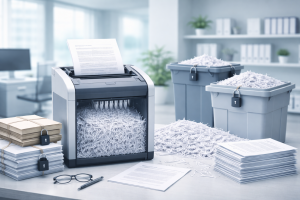
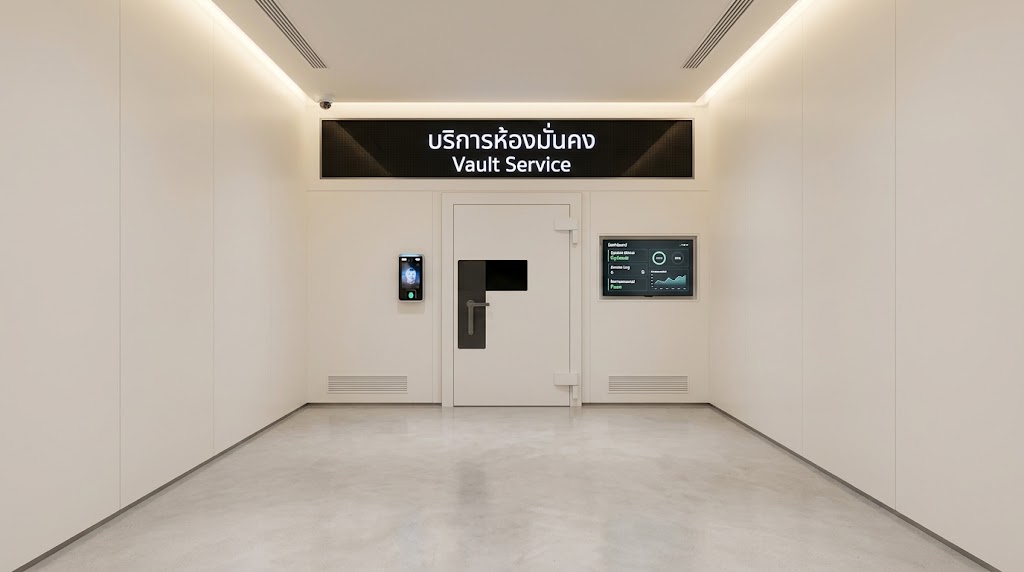
In today’s business landscape, organizations invest heavily in enterprise cybersecurity to safeguard digital data. However, many decision-makers overlook a critical vulnerability hiding in plain sight: physical paper documents. Original physical records—ranging from financial audits, commercial contracts, and land title deeds to patient medical files—remain indispensable core assets that require maximum security standards equal to their digital counterparts.
While many companies continue storing these vital documents in standard filing cabinets or internal storeroom spaces out of habit, risk management professionals warn that in-house storage poses a silent threat capable of causing irreparable financial and legal damage to an organization.
4 Silent Threats of Storing Critical Documents In-House
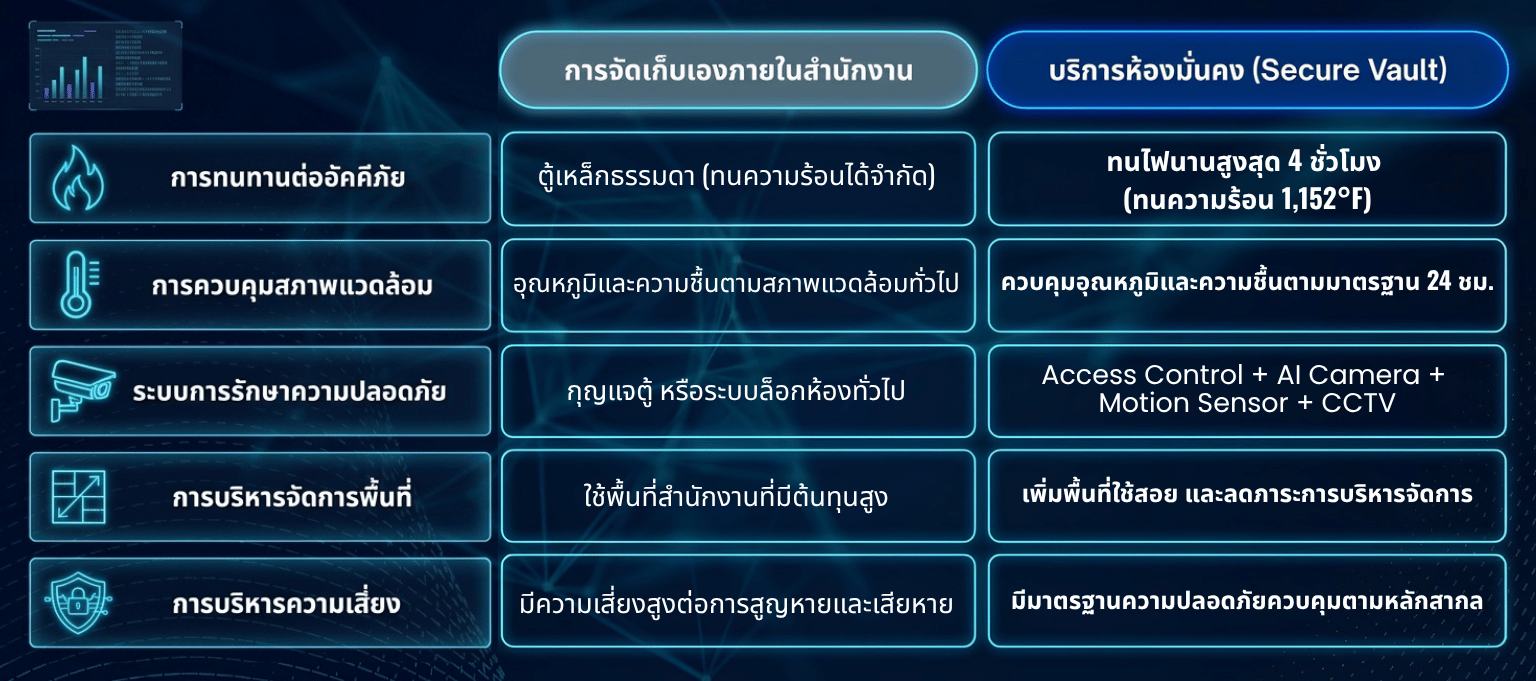
1. High Risk from Uncontrollable Fire Disasters
Standard commercial building infrastructure and basic metal filing cabinets are not engineered to withstand extreme temperatures caused by major fires. If disaster strikes, original hard-copy documents—often the sole legally binding proof of ownership or compliance—can be destroyed in a matter of minutes.
2. Silent Environmental Deterioration
Fluctuating indoor conditions caused by turning air-conditioning systems on and off around office working hours continuously disrupt temperature and humidity. This environmental volatility causes paper to yellow, become brittle, grow mold, and lose ink legibility—ultimately destroying the evidentiary value of critical documents under legal scrutiny.
3. Security Vulnerabilities and Data Compliance Non-Compliance
Internal office storage frequently lacks formal, strict access logging and biometric security. Unrestricted entry, unmonitored access, and internal theft increase the risk of confidential data leaks, which can violate data privacy laws such as the Personal Data Protection Act (PDPA) and trigger severe statutory penalties.
4. Waste of High-Cost Office Real Estate
Allocating expensive office square footage to store stacks of archives that expand year after year creates unnecessary real estate overhead. Offloading physical files frees up high-value space for core business activities and workforce expansion.
Which Critical Documents Require Maximum Security Protection?
● Financial & Accounting Documents: Annual balance sheets, audit reports, tax receipts, and statutory financial records required by law.
● Title Deeds & Strategic Contracts: Property land titles, shareholder agreements, commercial vendor contracts, patent registrations, and trademark deeds.
● Corporate Governance & HR Records: Confidential employee files, Non-Disclosure Agreements (NDAs), and legal litigation documents.
● Medical Records (Hospitals & Healthcare Clinics): Patient history records and clinical data required to maintain international confidentiality standards and public health regulations.
Key Features and Standards of a Professional Secure Vault Service (Strong Room)
Transitioning to a dedicated Secure Vault Service mitigates operational risks and supports Business Continuity Planning (BCP) through enterprise-grade security standards:
● Certified 4-Hour Fire Resistance: Engineered to withstand severe fire exposure for up to 4 hours and resist extreme heat up to 1,152°F (622°C), effectively protecting irreplaceable documents from catastrophic disasters.
● 24/7 Precision Climate & Humidity Control: Maintains ideal environmental conditions optimized specifically for paper preservation, extending document lifespans and stopping material degradation.
● Advanced Multi-Layered Security Measures:
○ Biometric Access Control: Enforces strict identity verification and restricts entry strictly to authorized personnel.
○ AI & Motion Cameras: Smart surveillance analyzes perimeter activities and detects anomalies 24 hours a day.
○ 24/7 CCTV Monitoring: Full visual coverage provides complete auditability and operational transparency.
● Comprehensive Record Accommodation: Designed to securely store all categories of sensitive business records, financial instruments, deeds, commercial agreements, trade secrets, and medical documentation.
Conclusion
Critical documents are not merely paper—they represent the legal foundation, market credibility, and long-term future of an enterprise. Transitioning physical archives from standard offices to a certified Secure Vault Service is a high-return investment in risk management, compliance assurance, and sustainable corporate privacy protection.
Contact Us for Secure Vault Service:
-
Website: www.kdc.co.th
-
Phone: 0-2871-4558
-
Email: [email protected]